




ISO 15257 Level 4 Cathodic Protection Examination dates for 2026

LEVEL 4 ENGINEER EXAMINATIONS TO BS EN ISO 15257

Level 4 Certification of Competence is a requirement for the design of Cathodic Protection (CP) systems in all the BS, EN and ISO Cathodic Protection Standards. See the attached brochure on the ICorr CP Scheme and the Standards for more details.

It is expected that Candidates will already have Certification for Level 3 in the Sector in which they are applying and the requisite experience (see Preliminaries item 8 below). They must have passed the L3 Examination in that Sector, there is no dispensation.

Examinations:

All Level 4 examinations are presently held in Northampton at the Institute of Corrosion HQ, Corrosion House; see https://www.icorr.org They will be held typically 4 times per year; the facility is spacious, complies with UK Governments rules and guidance related to C-19. It is a short walk from the station; there is a modern budget hotel and parking nearby. Candidates are required to book one of the dates below; no other dates will be available. If one date does not suit you, choose another from the list. If there is limited demand for a particular date, we may cancel that from the programme and allocate your booking to the next examination date, whilst advising you. We will strive to avoid delaying your examination by more than 3-4 months. The examination is closed book, desk based, handwritten, with no practical element (this is in the mandatory L3) and is expected to take some 6.5 Hours, in 3 sessions with breaks between. A simple calculator, a Casio FX-991EX) will be provided; you will not be permitted access to any other electronic device. IF you are sitting the examination for more than one Sector (Buried, Steel in Concrete, Marine, Internals) you will need to sit for more than one date of those below:

Thursdays: 2026: 26 February, 4 June, 10 September, 26 November     

Examination arrangements are:

Book and pay for the Examination at least 1 month before the date you plan to attend. Do not attend unless you have confirmation of your place from Corrosion House.

Start 0900 Hrs: Book in, identification (passport or driving licence with picture), remove mobiles, laptops, smart watches, calculators to locked facility. No access to these during the day. Tea or coffee.

Expect to start examination at 0930 Hrs

Core: Applies to all Sectors: 2.5 Hours, 0930 to 1200 Hrs If you have previously passed the Core Examination, you may, after notifying Corrosion House, plan to arrive no later than 1215 Hrs to book in as above and be ready to commence as below, or you can arrive during the morning and finish early:

Break for lunch (provided)

Design Sector Specific: 2 Hrs, 1245 to 1445 Hrs

Break for tea or coffee

Performance Assessment: Sector Specific: 2 Hrs, 1500 to 1700 Hrs

Collect mobiles, laptops, calculators etc and depart building 1715 Hrs

Preliminaries:

  1. It is expected that candidates will only be sitting the Level 4 ISO 12527 examination if they are planning to apply to ICorr for certification for Level 4. This is an entirely separate process. It requires a separate application form and a certification fee; it involves an independent assessment of the candidate’s work experience, a refereed Application and a Dossier detailing completed complex projects.
  2. All Candidates must be competent in all the key tasks and knowledge required at Level 3 in the CP Sector for which you are applying at Level 4. Accordingly, you must have a valid Level 3 Examination pass in all parts of the examination, the Core, the Sector Specific and the Sector Specific Practical Examination; there is no dispensation available to avoid this.
  3. If you do not already have Level 3 certification and your cv clearly shows that it is likely that you do meet the experience requirements for Level 4, you can sit the Level 3 examination without attending the Level 3 Course. This includes the Level 3 Practical examination in the Sector(s) applicable to your intended Level 4 application(s). If you pass the examinations, you may choose to obtain L3 certification, but need not delay your application for L4, but if you fail the certification for L3 you will fail for L4.
  4. At present there are no ICorr Level 4 Courses; you are expected to have learned the skills and gained the competence by working alongside CP Engineers or Specialists more experienced than you, preferably Certificated to Level 4, and by personal study and attending conferences and courses. This is expected to have taken some years of supervised design and other challenging CP work after your Level 3 certification.
  5. The main difference between L3 and L4 is that the latter requires the competence and the experience of undertaking, without guidance, complicated and detailed CP designs. The full requirements are summarised as being competent in the of design cathodic protection systems, to establish and validate cathodic protection criteria and testing procedures, to interpret standards, codes, specifications and procedures, to designate the particular cathodic protection test methods and procedures to be used, to interpret the reported results of cathodic protection testing and use them in performance verification, to determine any remedial actions and to carry out and supervise all Level 1,2 and 3 duties.
  6. Level 4 personnel shall have a detailed knowledge of corrosion theory, cathodic protection design, installation, commissioning, testing and performance evaluation including safety in at least one application sector, competence to undertake without supervision the design of complex cathodic protection systems in at least one application sector, sufficient theoretical knowledge and practical experience of cathodic protection to select cathodic protection testing methods, survey requirements and performance criteria. They shall have competence to evaluate and interpret results of cathodic protection performance in accordance with existing standards, codes and specifications, competence to assist in establishing testing and performance criteria where none are otherwise available and a general familiarity with cathodic protection in other application sectors.
  7. The examination is designed to test these abilities. It will be challenging; some candidates will fail.
  8. The separate certification procedure will more rigorously assess these by way of your experience and what you can document in terms of projects, including complex CP designs. Certification to L4 requires 3 to 8 years’ CP experience [dependent on qualifications] if progressing from full Certification at Level 3, or 5 to 12 years’ experience if applying directly for Level 4 after only passing the L3 examination. You may sit the L4 examination early, but the above experience requirements will be used in your certification assessment after you pass the examination. You will need to prepare a detailed dossier detailing more than one and ideally 3 detailed designs in each Sector. You will not achieve certification until your experience has been assessed and you are likely to be interviewed by the ICorr Professional Assessment Committee during this process.

Examination Booking Form

ICorr CED Announces Professor Damien Féron as the Winner of the 2025 Paul McIntyre Award

ICorr CED Announces Professor Damien Féron as the Winner of the 2025 Paul McIntyre Award

The Corrosion Engineering Division (CED) of the Institute of Corrosion is delighted to announce that Professor Damien Féron will receive the Paul McIntyre Award at the 2025 ICorr Annual General Meeting (AGM), to be held at the Henry Royce Institute in Manchester on Tuesday, 4th November 2025.

The Paul McIntyre Award is the highest honour presented by ICorr CED. It recognises a senior corrosion engineer who has not only made significant technical contributions, but has also championed European collaboration and international standards – reflecting the values and legacy of the late Professor Paul McIntyre.

Professor Féron has had a distinguished career at the French Alternative Energies and Atomic Energy Commission (CEA) and continues to serve as Scientific Adviser and Professor at INSTN, the National Institute for Nuclear Science and Technology. His work spans nuclear corrosion, marine corrosion, biocorrosion, and long-term prediction of corrosion damage, with wide-ranging applications in both civil and nuclear industries.

A globally recognised leader in corrosion science, Damien has authored or edited more than 25 books and special issues, delivered over 100 invited lectures, and participated in numerous international advisory boards. His international standing is matched by an unwavering commitment to collaborative science – evident in his leadership roles across the European Federation of Corrosion (EFC), where he served as Chairman of the Science and Technology Advisory Committee (2007-2013) and as President from 2017-18, and the World Corrosion Organization (WCO, President from 2019–2022)

Professor Féron was also instrumental in establishing and leading major educational and technical initiatives, such as the Nuclear Corrosion Summer School (NuCoSS) and the long-running LTC Workshops on corrosion prediction in nuclear waste systems. Through these and many other efforts, he has mentored a generation of corrosion scientists and engineers across Europe and beyond.

The Paul McIntyre Award is a fitting recognition of Professor Féron’s remarkable contributions to corrosion science, education, and international cooperation.

The award will be formally presented during the ICorr AGM in Manchester, jointly hosted by ICorr Northwest Branch and the Henry Royce Institute. Professor Féron will also be invited to contribute an article to Corrosion Management magazine.


H.G. Cole Award  2025

H.G. Cole Award 2025

The Institute is delighted to announce that Brian Wyatt will be presented with the H.G. Cole Award at the 2025 ICorr Annual General Meeting (AGM), which will be held at the Henry Royce Institute in Manchester on Tuesday 4th November.

The H.G. Cole Award is the highest honour that ICorr can bestow on an individual for their contribution to the success of its activities. It is awarded on an infrequent basis for exceptional services to the development of the Institute.

Brian is a long-standing senior figure within ICorr, having served as a Council member for several decades prior to stepping down in 2024. He was President of the Institute from 1987 to 1989. Very few people have made a more significant contribution to the success and financial sustainability of the Institute over such an extended period of time.

Brian has made important and wide-ranging contributions to the Institute in many areas, but perhaps most significantly in the training and accreditation of cathodic protection (CP) personnel. He was the driving force behind ICorr’s CP Training, Assessment and Certification Scheme, which has been instrumental in upskilling and certifying CP technicians, engineers and specialists in compliance with international standards.

Brian showed great vision in advocating for the establishment of an in-house CP training offering, which has led to a step-change in revenue streams for the Institute. He has also been influential in establishing hands-on training facilities in support of course delivery, including for marine CP at Blyth and buried CP in Sheffield.

Brian’s long standing commitment to the Institute has been second to none. His passion, energy and vision have made a major contribution to supporting the objectives of the Institute and securing its financial sustainability. The H.G. Cole Award is fitting recognition of these efforts.

Presentation of the award will take place at the ICorr AGM, which will be jointly hosted by ICorr Northwest Branch and the Henry Royce Institute. The AGM will be preceded by a series of technical presentations from renowned corrosion professionals in the region. If you would like to attend, please register here as places are limited.

The H.G. Cole Award is named after Henry George Cole, who was Chief Materials Engineer at the UK Ministry of Defence and a former ICorr President. For more information on the award, including previous recipients, please click here.


1st UK-China Corrosion Summit Report

1st UK-China Corrosion Summit Report

The very first UK-China Corrosion Summit, jointly organised by the Institute of Corrosion (ICorr) and the Chinese Society for Corrosion and Protection (CSCP), was held in Manchester on 3–4 September 2025. The meeting gathered leading academics, practitioners, and industry representatives from both countries under the theme – ‘AI Impacts to Corrosion Management within UK-China Energy Industry’.

Opening and Awards

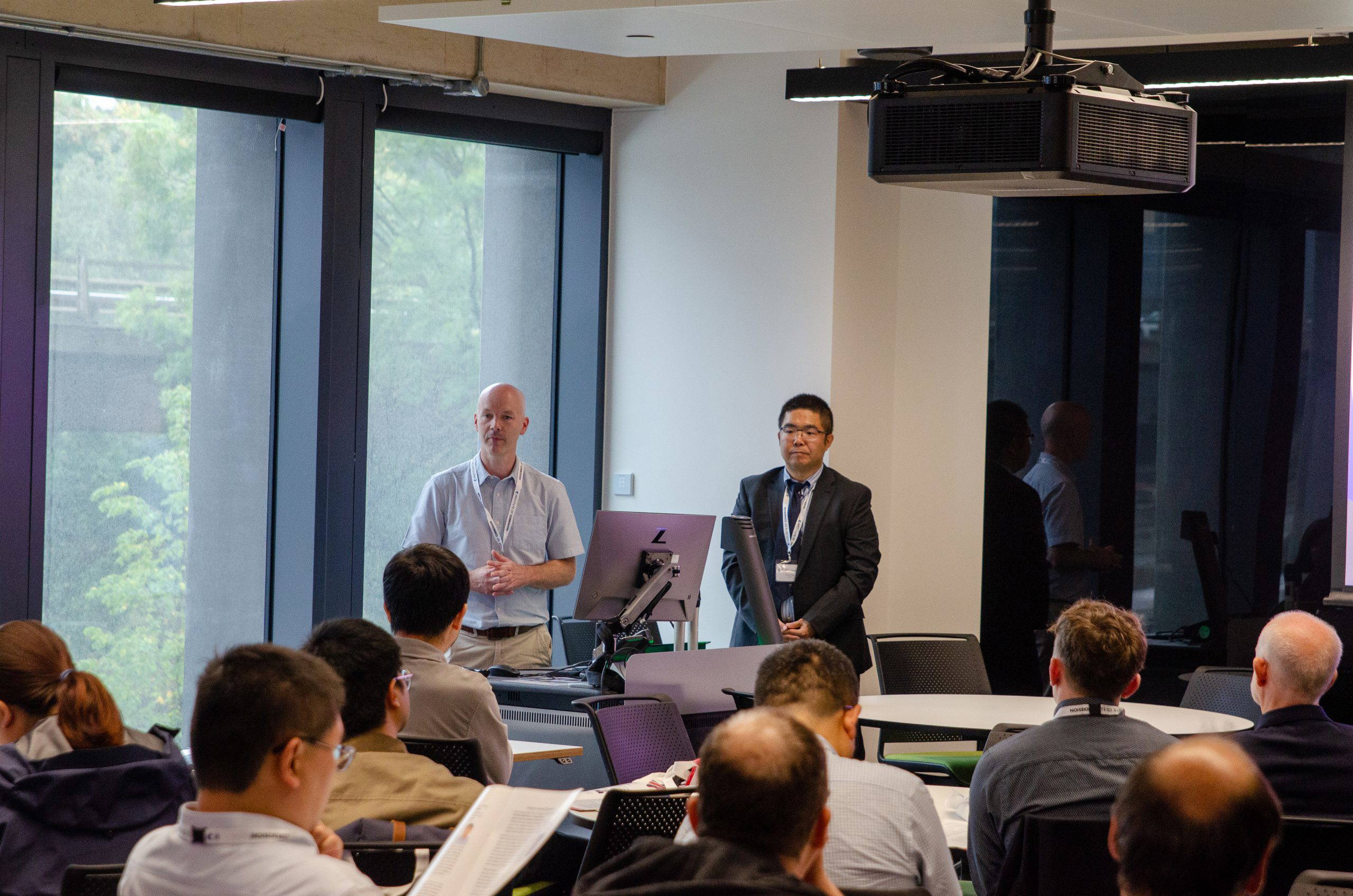
The summit opened with welcoming remarks from ICorr President Dr Yunnan Gao, CSCP President Professor Xiaogang Li and EFC (European Federation of Corrosion) President, Professor Gareth Hinds, who highlighted the importance of international collaboration in tackling corrosion challenges.

An award ceremony followed when the ICorr President Dr Yunnan Gao presented the following ICorr Institute certificates to the recipients:

  • FICorr Certificates were presented to newly elected Fellows, Professor Xuequn Cheng and Professor Dake Xu.
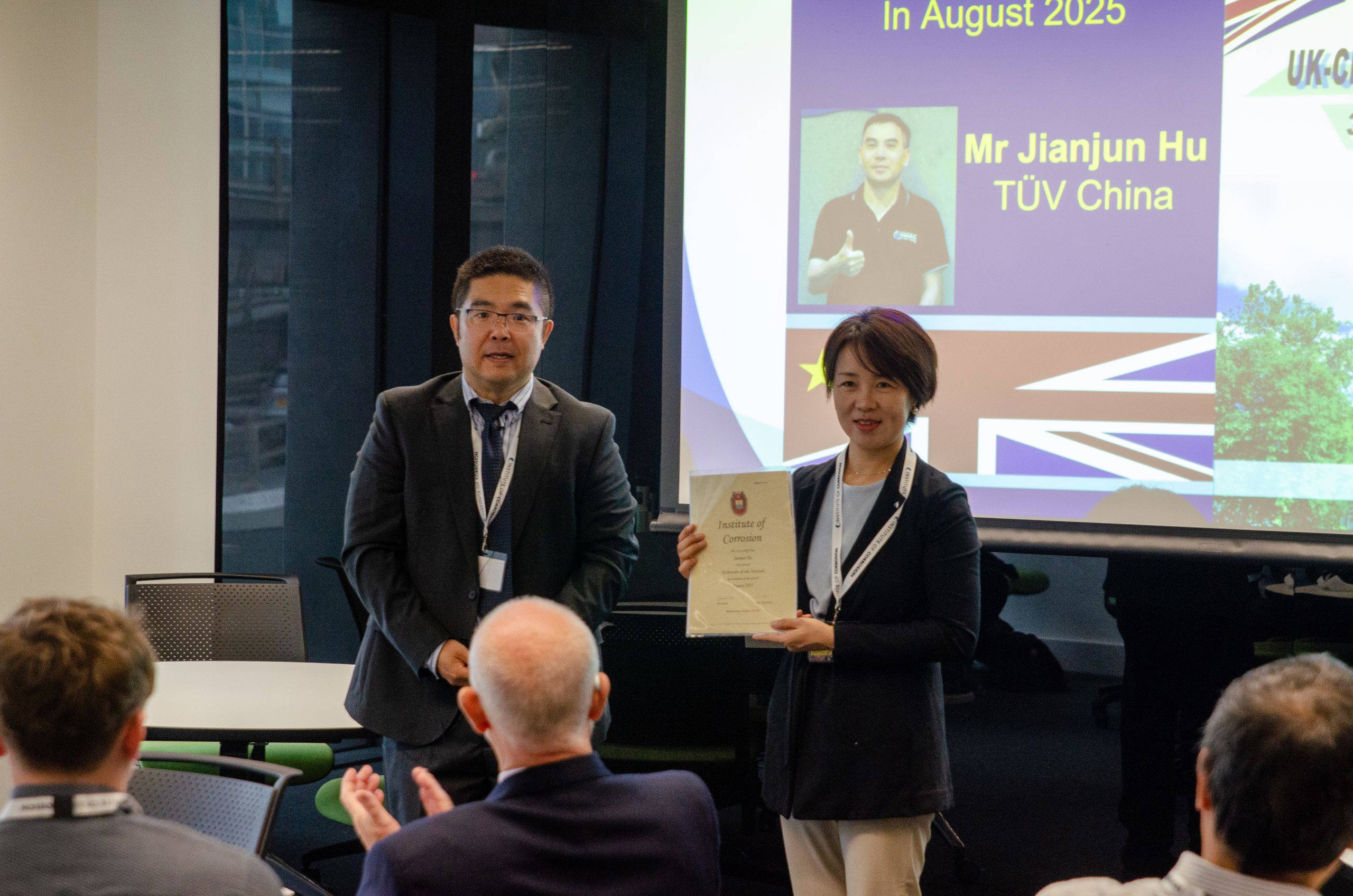
  • TICorr Certificate was presented to newly elected Technician Member, Mr Jianjun Hu.
  • ICorr Scholarship Certificate was presented to Miss Xinyu Zhang, a Chinese student at the University of Manchester studying for an MSc in Corrosion Control under the Institute scheme.
Photo: ICorr President Dr Yunnan Gao Chairing the Opening Ceremony of the 1st UK-China Corrosion Summit in Manchester on 3rd September 2025

Photo: ICorr President Dr Yunnan Gao Chairing the Opening Ceremony of the 1st UK-China Corrosion Summit in Manchester on 3rd September 2025

Photo: The President of EFC, Professor Gareth Hinds, Left, Giving the Opening Remarks During the Opening Ceremony of the 1st UK-China Corrosion Summit

Photo: ICorr President Dr Yunnan Gao Presenting ICorr Certificate to the Recipient (Deputised by Mrs Jing Fang, ICorr Training Partner, China) during the Opening Ceremony

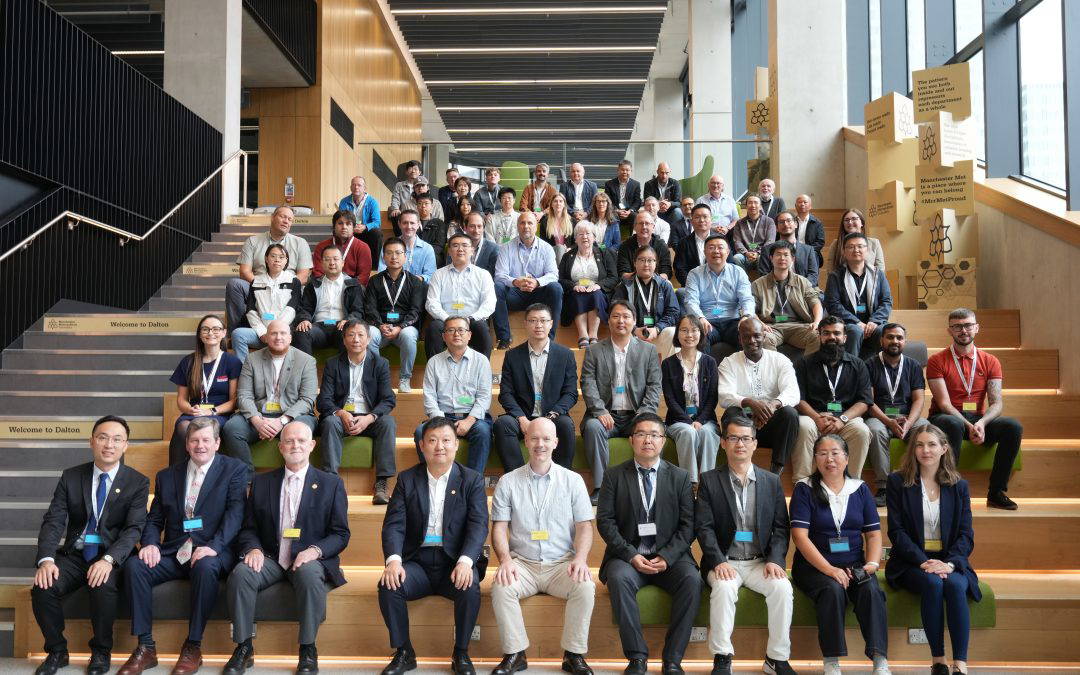
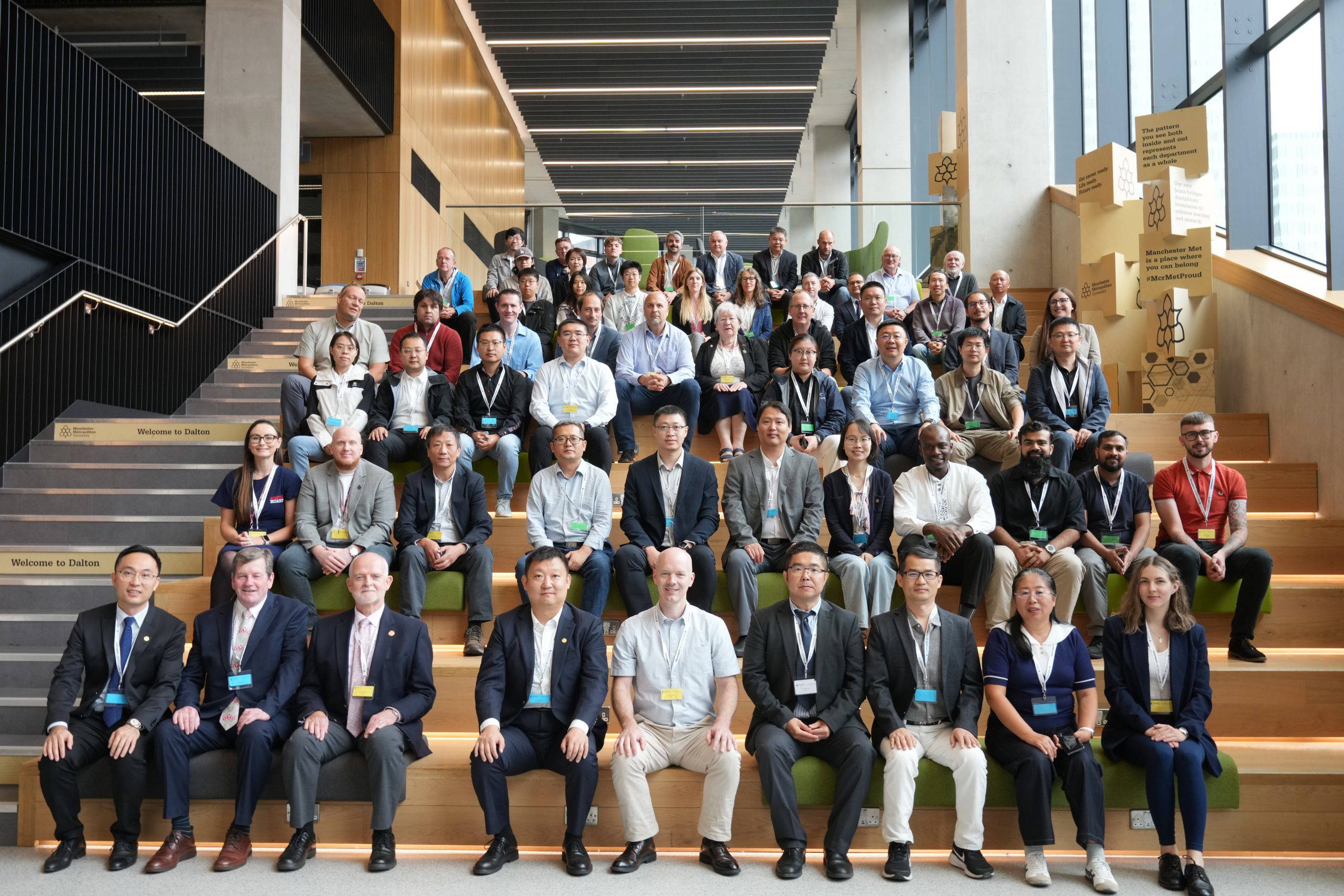
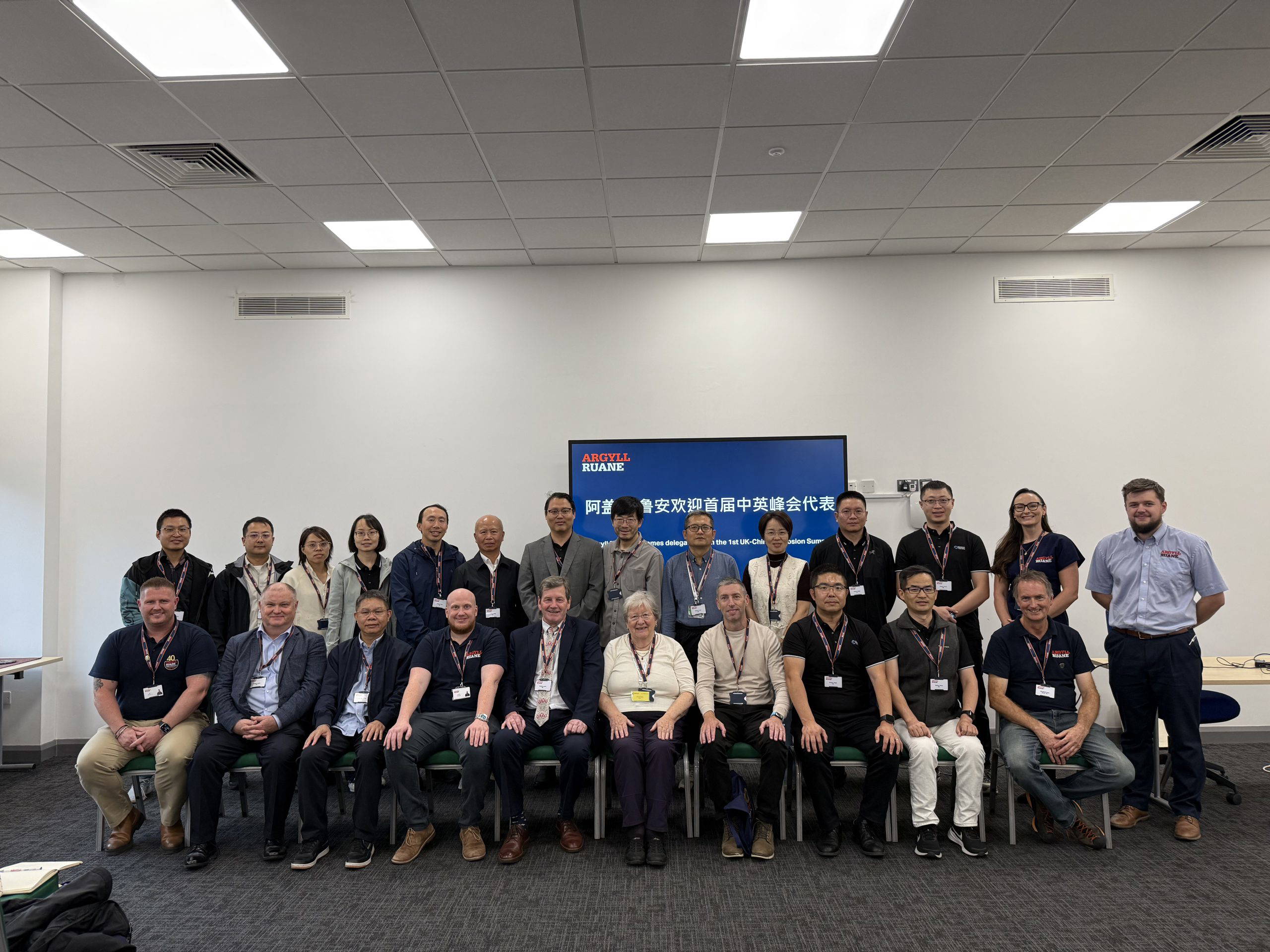
Photo: All Delegates of the 1st UK-China Corrosion Summit

Day One – Technical Presentations

Over the course of the first day, a dense programme featured keynote lectures and technical talks from both UK and Chinese experts tackled frontier topics at the intersection of corrosion science and digital technologies.

Keynotes

  • Prof. Xiaogang Li (China, University Science and Technology Beijing) introduced the concept of “corrosion big data,” demonstrating how multi-scale data mining links microalloying, microstructure, environment, and corrosion rate to design new low-alloy steels with improved resistance.
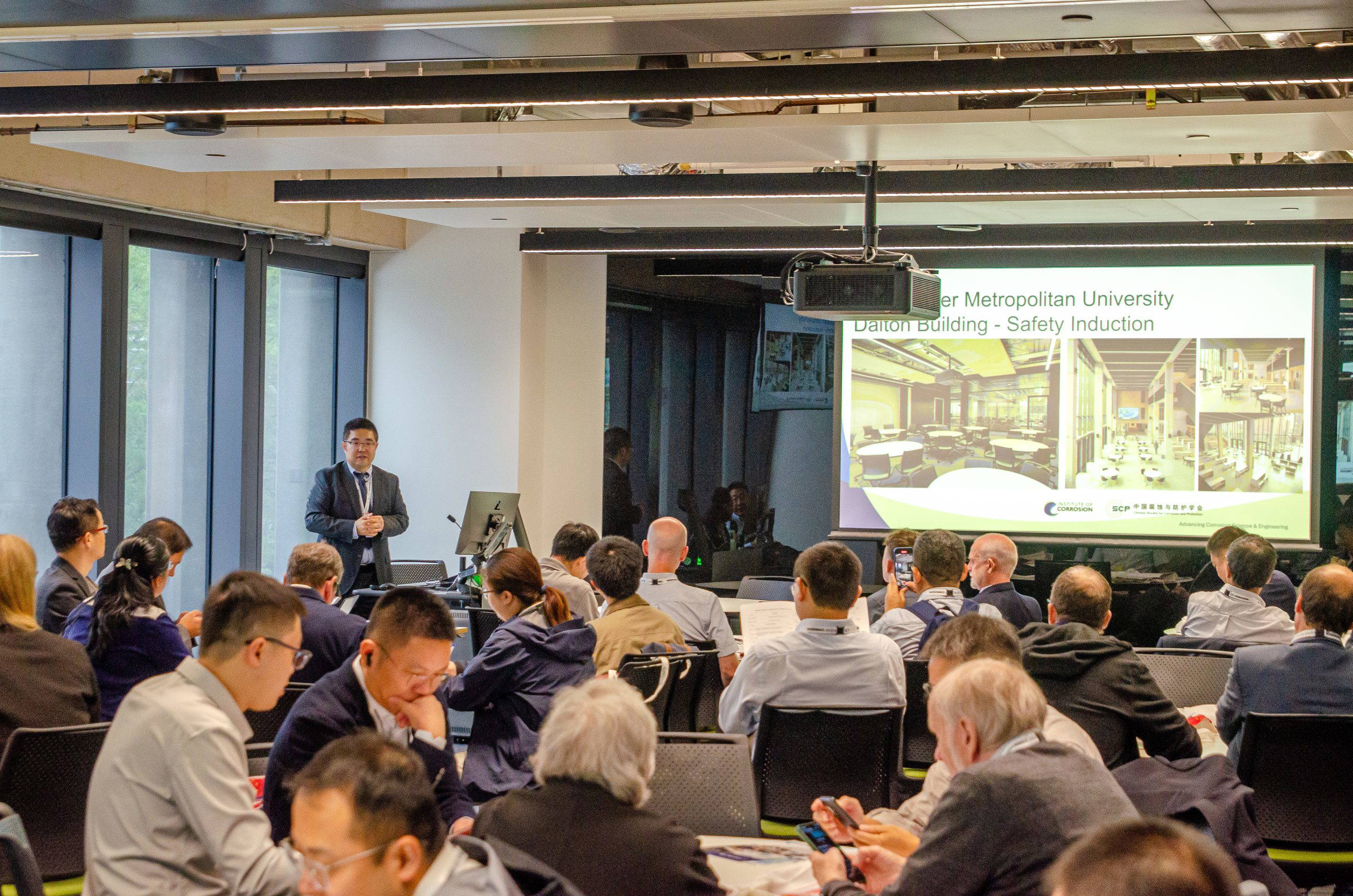
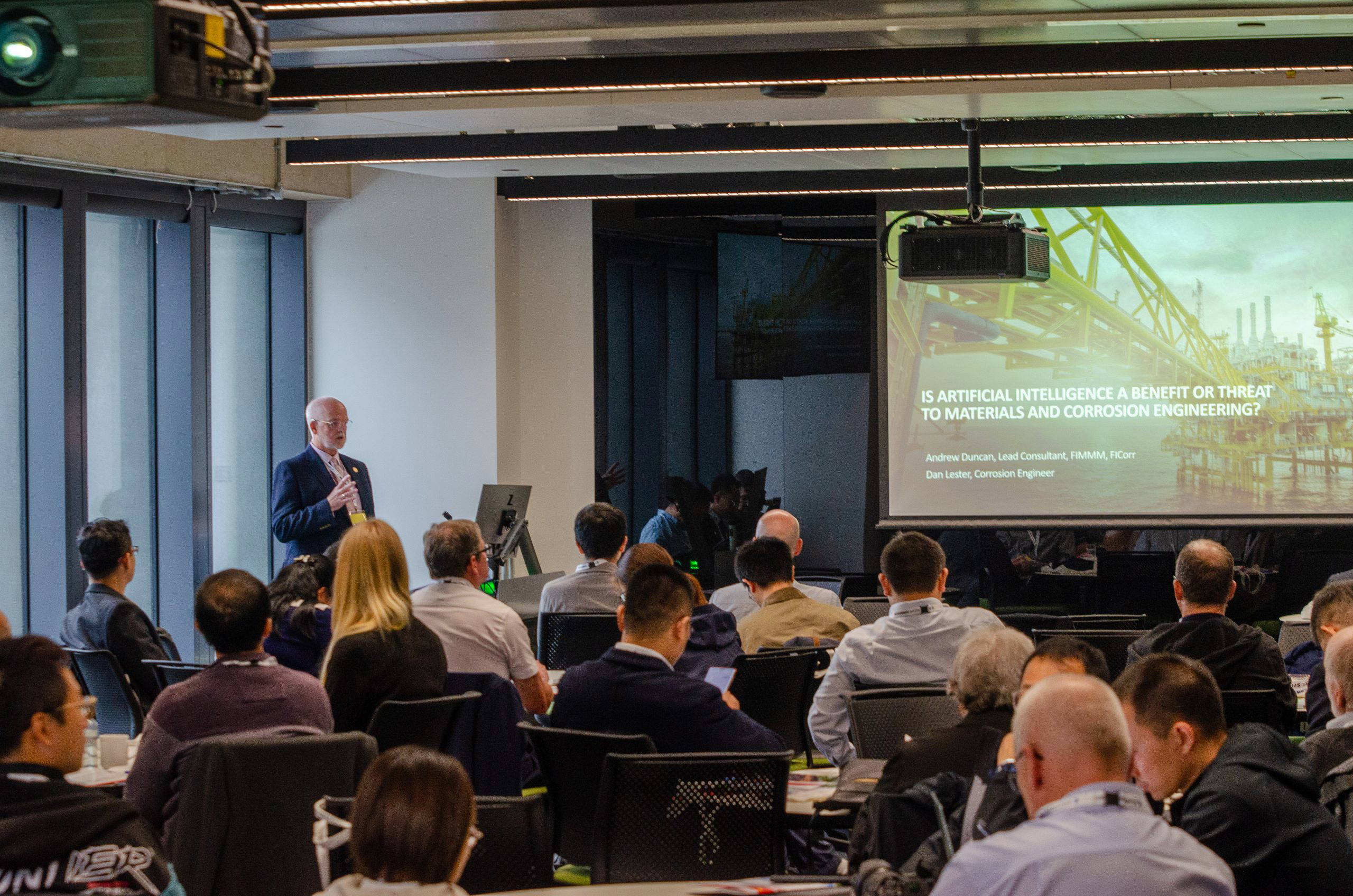
  • Andrew Duncan & Dan Lester (UK, Intertek CAPCIS) debated whether AI is a “benefit or threat.” Duncan warned against over-reliance on algorithms in early-career training, while Lester argued that AI can reduce errors and improve decision-making when used with oversight.

Technical Presentations

  • Prof. Dake Xu (China, Northeastern University) explained how extracellular electron transfer drives microbiologically influenced corrosion (MIC). He described biofilm processes at the genetic and interfacial level, and how this understanding can inform MIC-resistant materials and sensors.
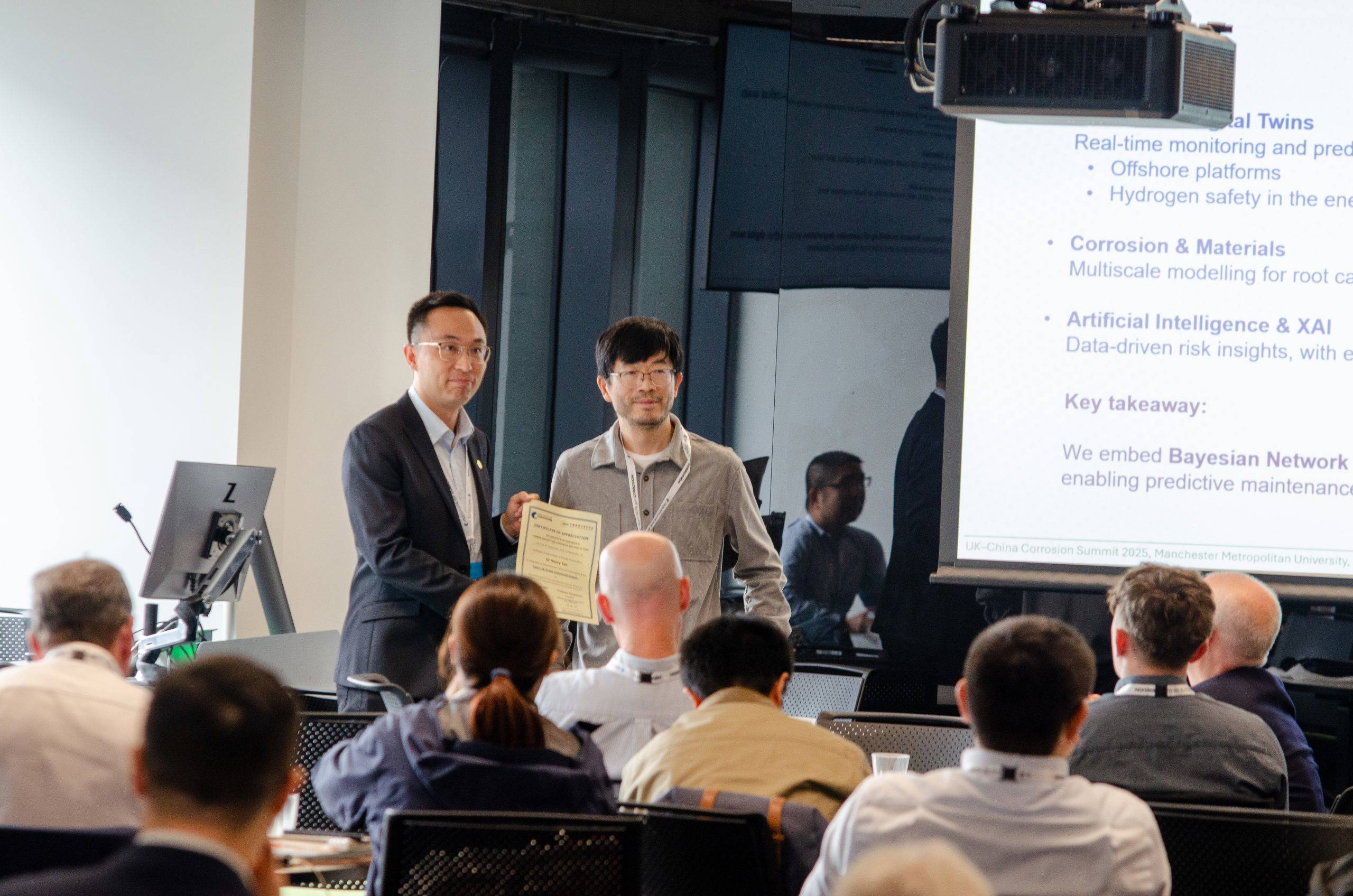
  • Dr Henry Tan (UK, Aberdeen University) presented an AI-enabled framework combining Bayesian decision models with digital twins for subsea pipelines, offering real-time risk-informed maintenance planning.
  • Dr Wei Rong (China, China National Petroleum Corporation) described novel inhibitors for acidizing operations on non-magnetic steels. Her formulation using quinoline ammonium salt with thiocyanate showed strong performance in high-temperature HCl-HF solutions.
  • Dr Vincenzo Bongiorno (UK, University of Manchester) demonstrated machine learning for electrochemical impedance and noise data, automating model selection and surface damage classification for coatings and corroding systems.
  • Dr Yu-You Wu (China, Ningo Zhonghe) highlighted AI-powered inspections of offshore wind turbines, stressing the gap between promising academic results and limited industrial adoption, and calling for UK-China collaboration in this fast-growing sector.
  • Dr Prafull Sharma (UK, CorrosionRADAR) showed how predictive maintenance for corrosion under insulation can combine remote sensor data with AI analytics to forecast failure likelihood and optimise inspection schedules.
  • Prof. Lingwei Ma (China, University Science and Technology Beijing) presented a two-stage machine learning approach linking environmental factors, physical properties, and coating performance. The method improved prediction accuracy for degradation across diverse climates.
  • Dr Yifeng Zhang (UK, Imperial College London) outlined a hybrid inspection framework using reconfigurable sensors and robotics. His model improves detection reliability while reducing inspection frequency and cost.
  • Mr Xinpeng Lu (China, Shenzhen Coais Technology) described how AI agent technology can support corrosion integrity management. His system employs multi-agent data collection and reinforcement learning to enhance anomaly detection and optimise maintenance.
  • Dr Kevin McDonald (UK, Sonomatic) shared early applications of machine learning on ultrasonic inspection signals. His case studies showed potential efficiency gains in data classification and highlighted barriers such as dataset balance and industry acceptance.

The day concluded with an open forum, where speakers and delegates from both sides reflected on key themes. Discussions focused on the importance of high-quality data, the challenges of model transparency and interpretability, and the need for international collaboration to harmonise standards for AI-driven corrosion tools.

Photo: Andrew Duncan of Intertek CAPCIS Giving the UK Keynote Speech on Is Artificial Intelligence A Benefit or A Threat to Materials and Corrosion Engineering?

Photo: Session Chair, Professor Bowei Zhang of CSCP, Left, Presenting the Certificate of Appreciation to the Presenter of the Technical Presentation (Dr Henry Tan)

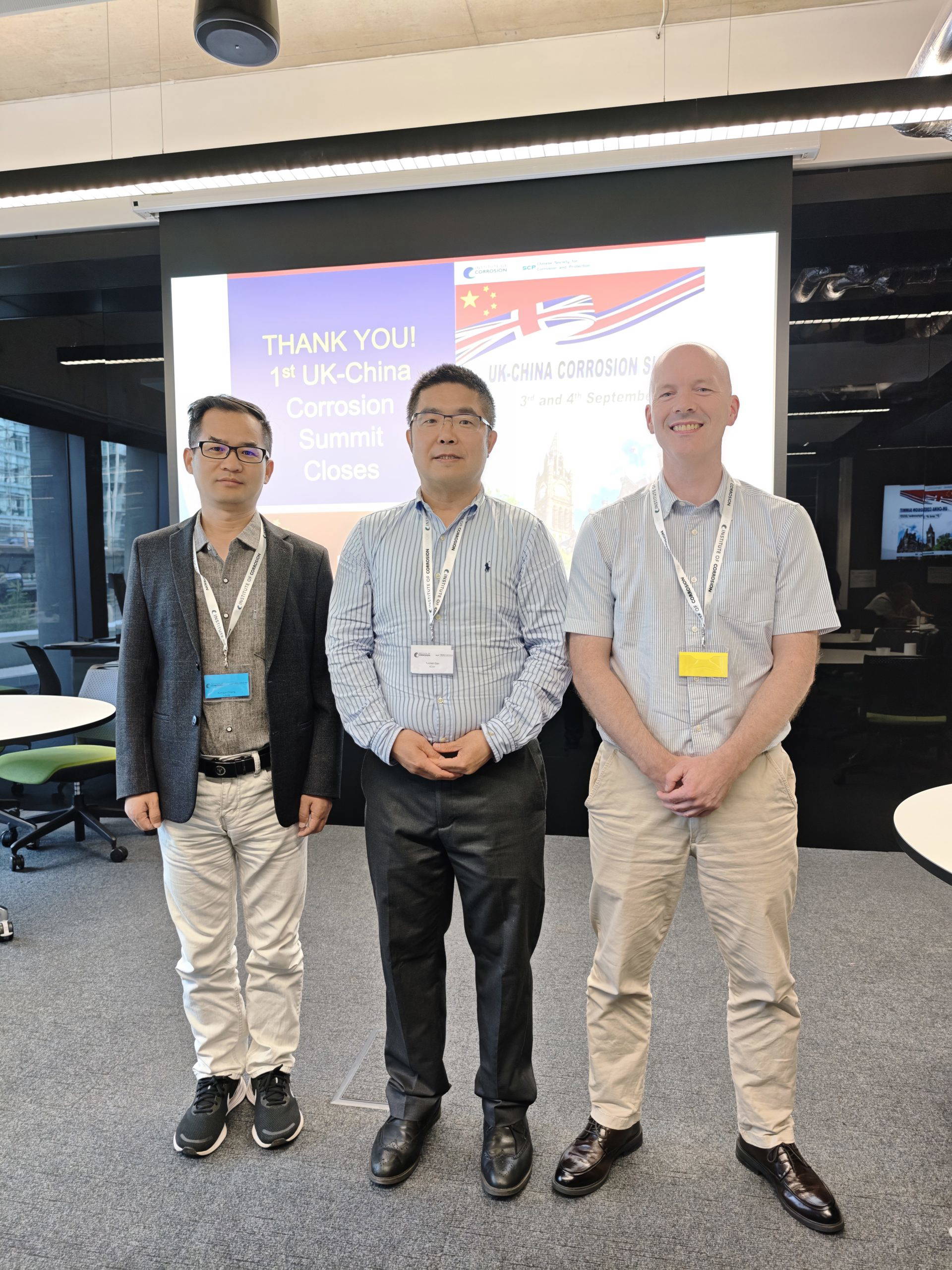
Photo: L-R, CSCP General Secretary Professor Xuequn Cheng, ICorr President Dr Yunnan Gao and EFC President Professor Gareth Hinds at the Closing Ceremony of the Day One Conference of the 1st UK-China Corrosion Summit

Day Two – Visits and Engagement

The second day of the summit, 4th September 2025, was dedicated to institutional and industrial visits for the Chinese delegation with ICorr Training Partners.

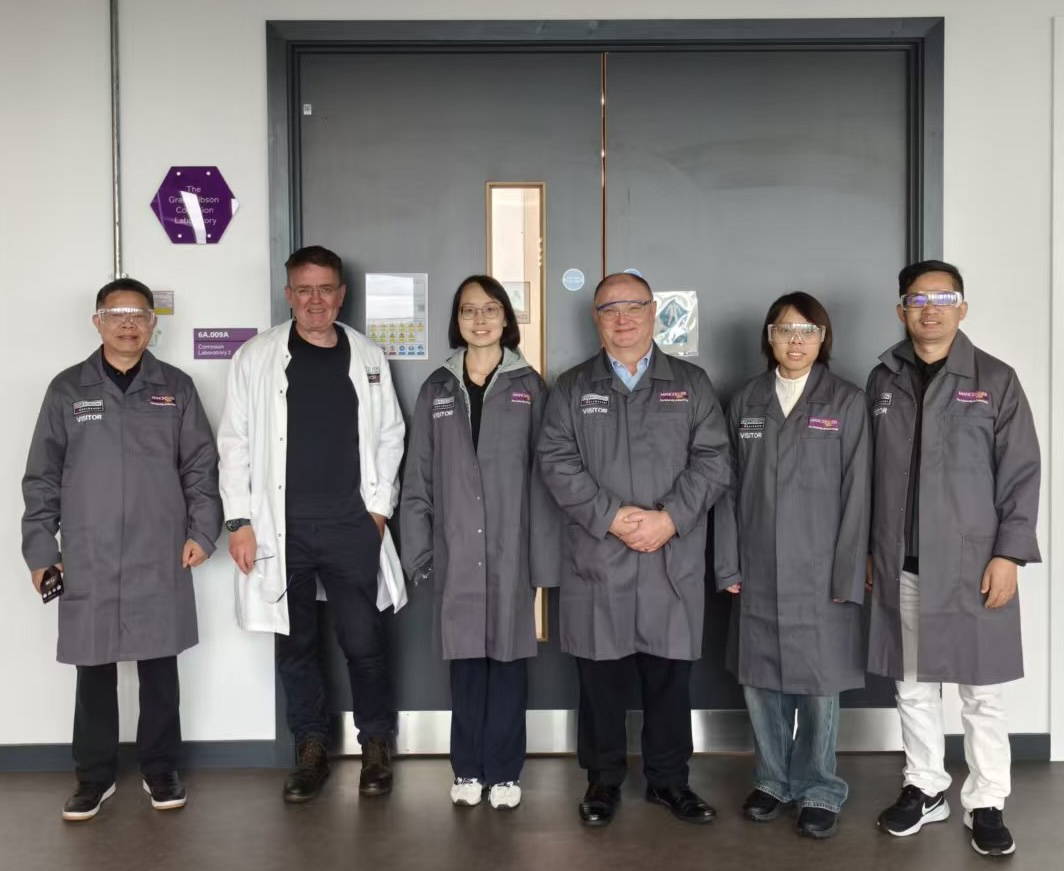
In the morning, at the University of Manchester, delegates toured laboratories in corrosion and materials science, including imaging and advanced characterisation facilities. The visit highlighted the university’s ongoing work in combining experimental and digital approaches.

Photo: One of the Four Groups of the China Delegation Visiting the Materials Laboratories of the University of Manchester on 4th September 2025

In the afternoon of 4th September 2025, the delegation travelled to Sheffield to visit Argyll Ruane, where they were given demonstrations in coating science, coating inspection, and non-destructive testing training – areas where ICorr certification and industry practice intersect closely.

Photo: China Delegation Visiting the Premises of Argyll Ruane (ICorr Training Partner, UK) in Sheffield


Conclusion

The inaugural UK-China Corrosion Summit successfully combined technical exchange with academic, industrial, and training engagement. By bringing together researchers, students, and industry practitioners from both countries, the event created a platform for knowledge sharing and laid the groundwork for continued collaboration between the corrosion communities of the UK and China.

 Appreciation and Future Plan

ICorr extends its sincere thanks to the summit’s UK sponsors: exclusive Platinum Sponsor Argyll Ruane, Silver Sponsor – ICR Integrity, and Bronze Sponsors – Beasy, Corrodere, and Corrpro Europe, whose support made this whole event possible.

We now look forward to the 2nd China-UK Corrosion Summit, to be hosted in China in 2026, continuing the spirit of collaboration and knowledge exchange established so well in Manchester.

2025 – Aberdeen Annual Corrosion Forum (ACF)

2025 – Aberdeen Annual Corrosion Forum (ACF)

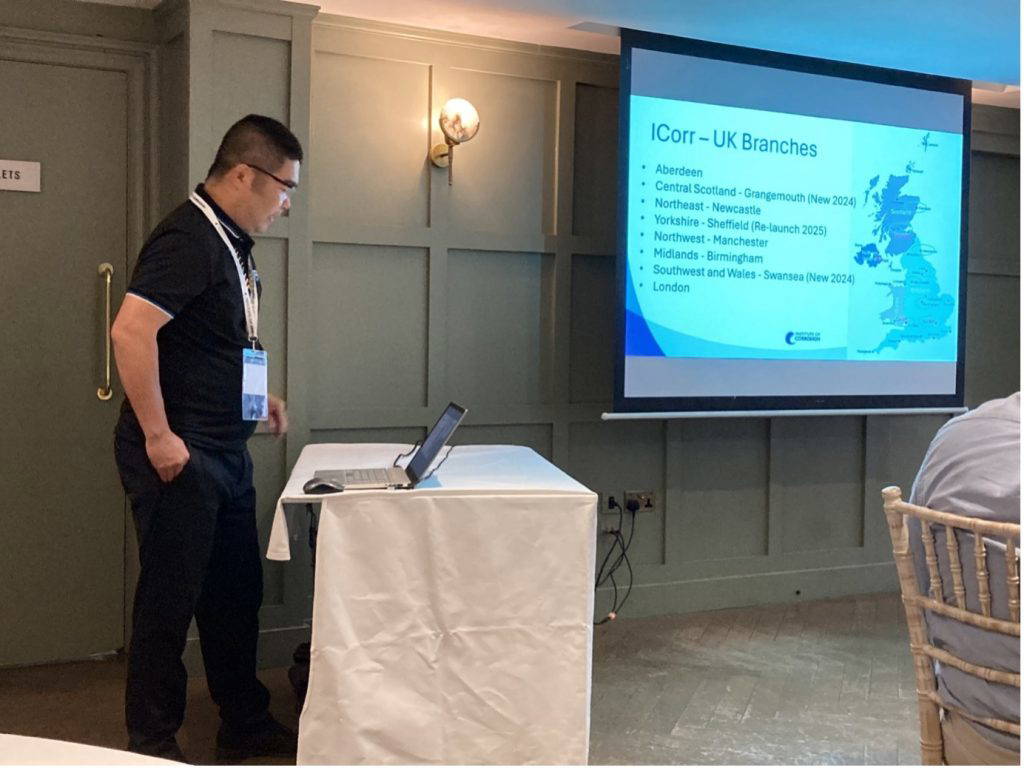
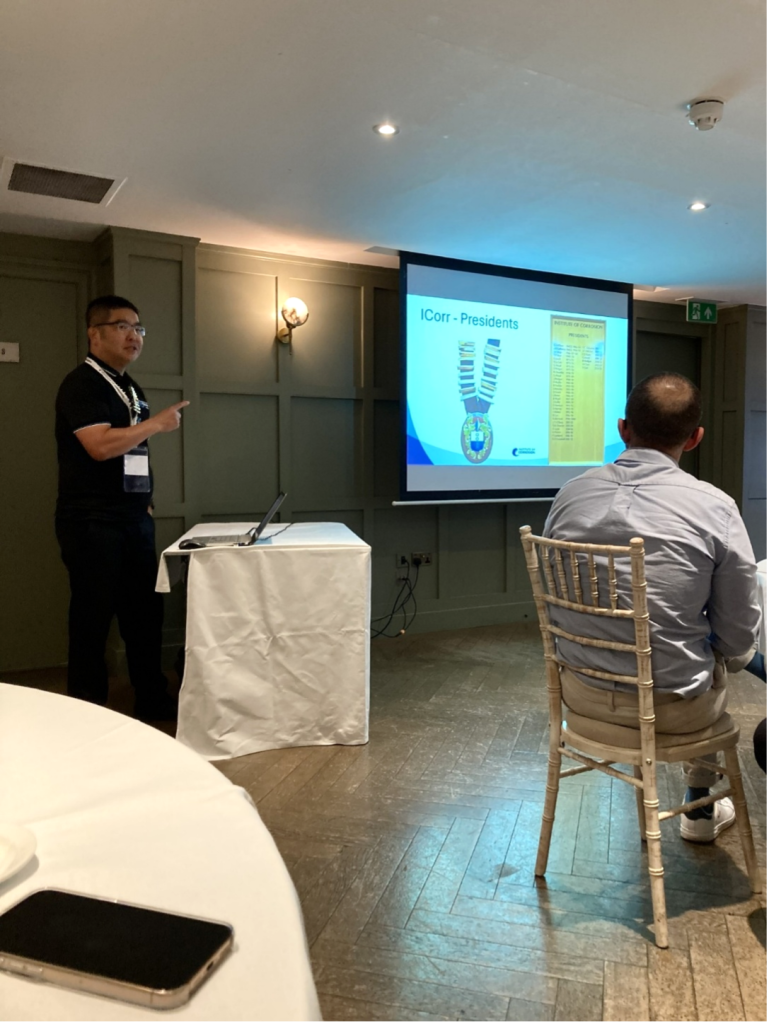
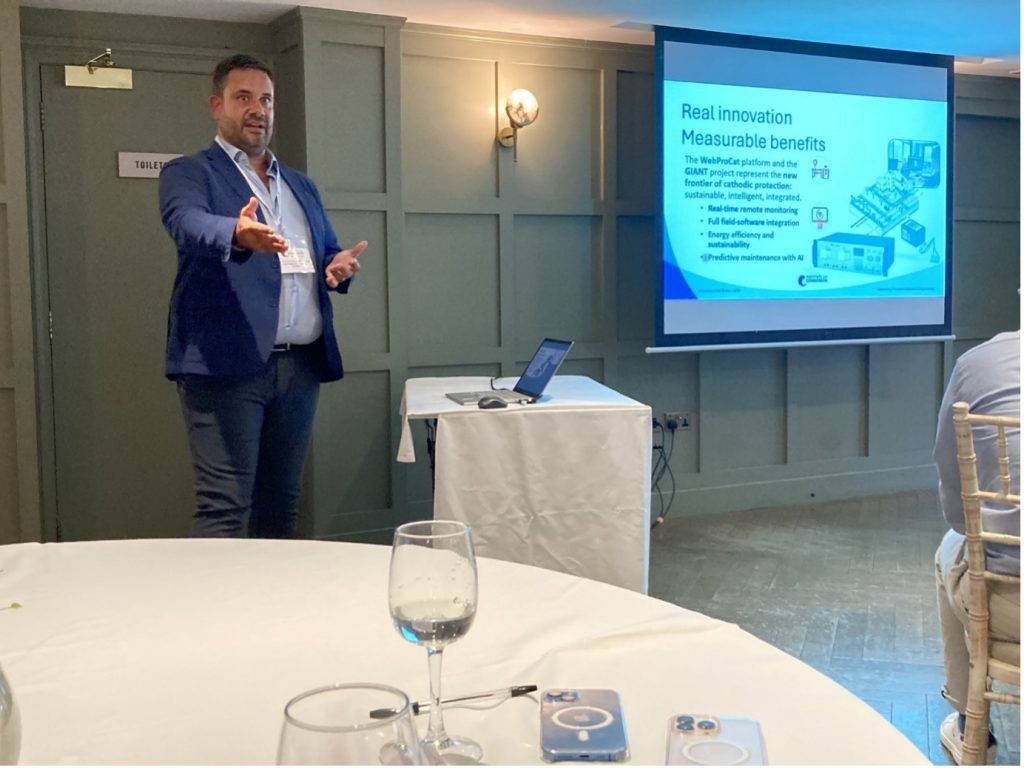
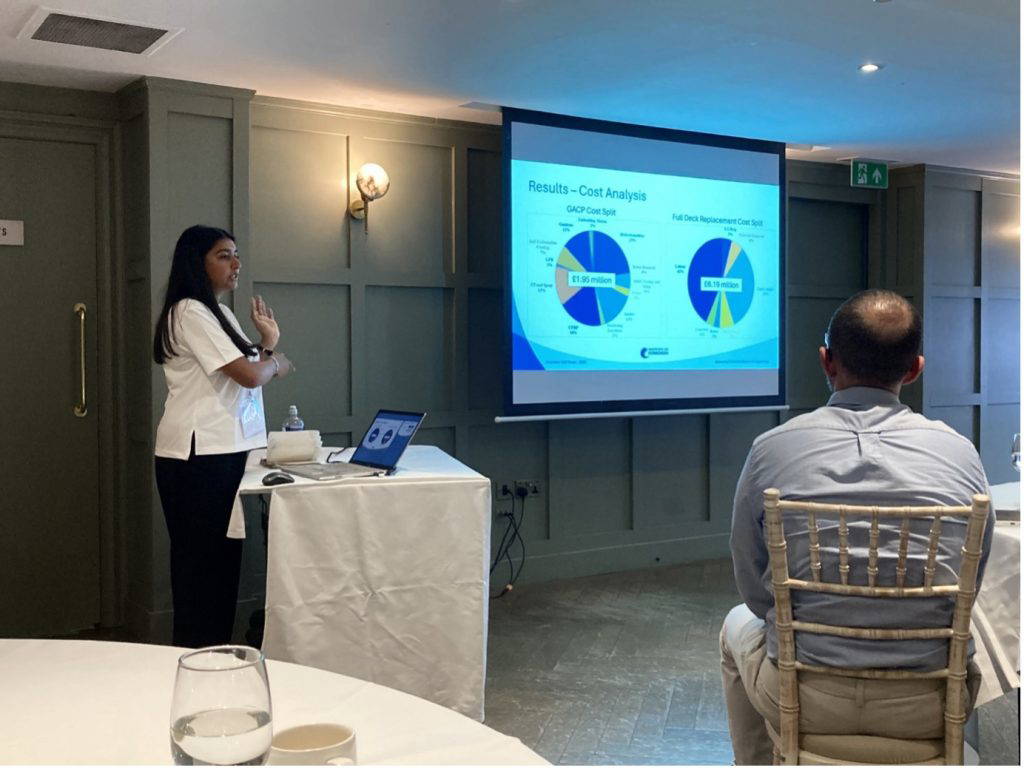
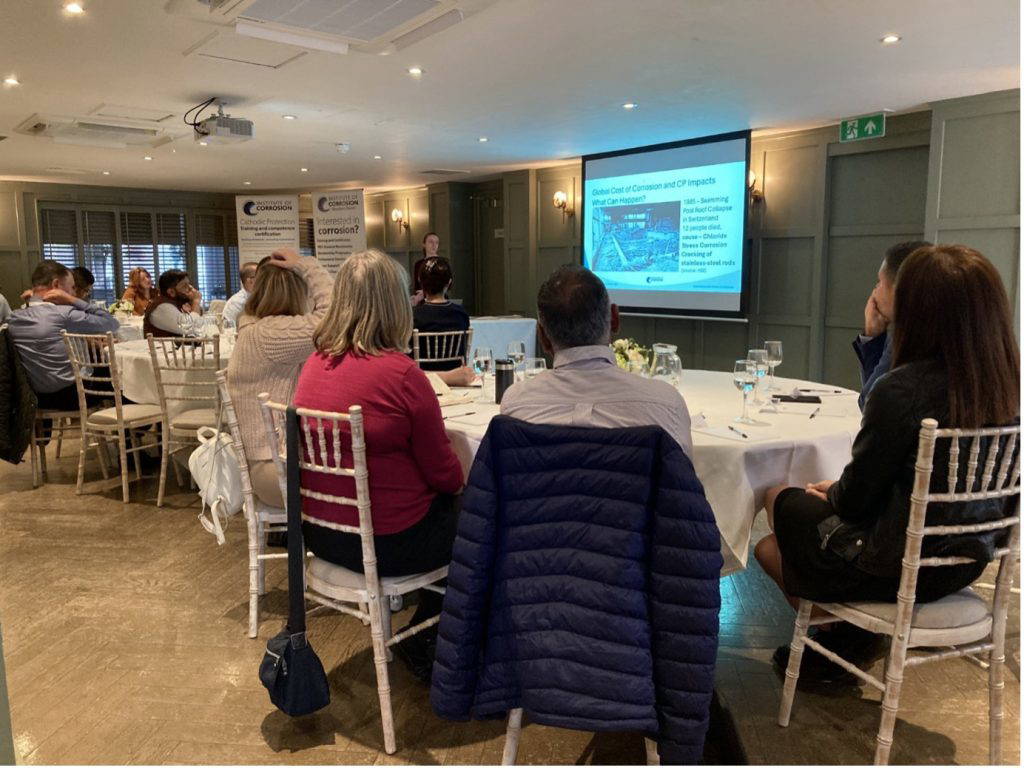
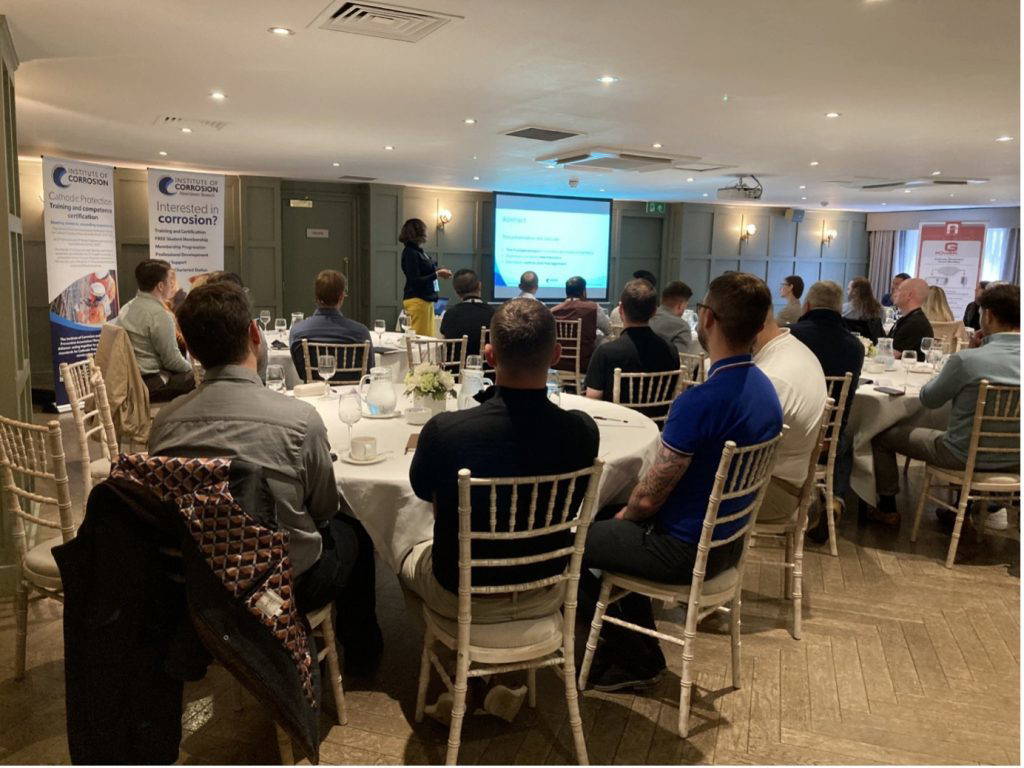
On 26th August 2025 the Aberdeen Branch again successfully held its annual corrosion awareness event at the Palm Court Hotel with key sponsor Automa.

The Aberdeen branch has been active for more than 40yrs now and has been providing awareness training since before 2010 through generous industry support and a dedicated committee.

This year’s Forum was kindly sponsored by Automa of Italy, specialists in automated monitoring and themed on Cathodic Protection (CP).

Automa provided the Venue and all Catering for the day.

Introductory talks on the principles and costs of corrosion were followed by a series of talks explaining Cathodic protection principles, methods and anode manufacture. Thereafter some excellent case studies presented some recent Cathodic protection applications in order to raise awareness of some of the practical considerations such as electrical isolation from plant, electrical interference and fault-finding methods for CP system commissioning.

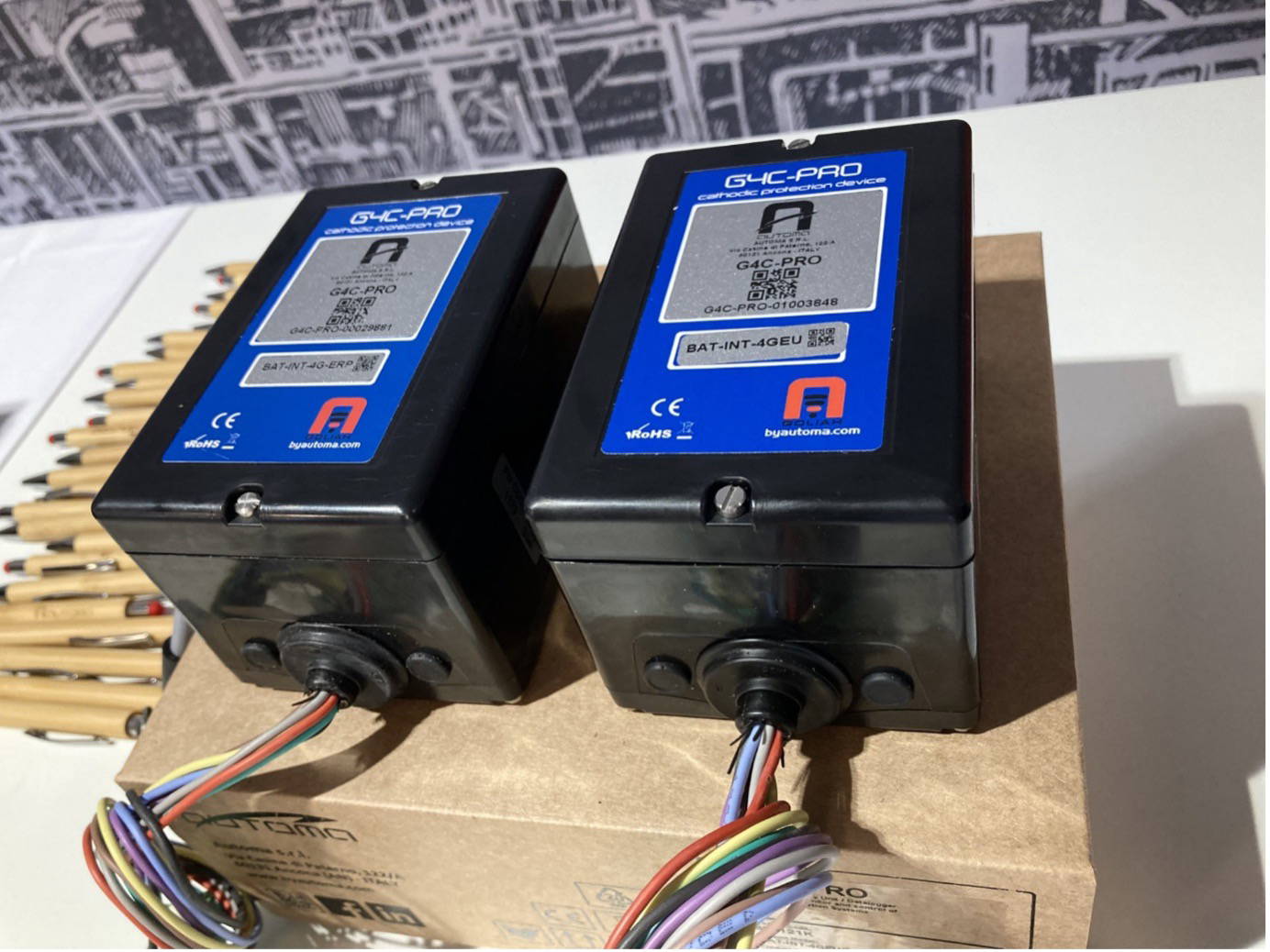
The afternoon sessions continued with several presentations by the sponsor Automa on advanced CP system monitoring and AI assisted data management and analysis. Automa then provided some excellent demonstrations of their devices and their software both widely used within Europe.

This popular Annual event attracted 43 registrants including many from its 16 local sponsor companies and also from our ICorr national sustaining companies.

Proceedings will be posted to the Aberdeen branch web page in due course at https://www.icorr.org/aberdeen/ ‘Local Technical Programme’

The Aberdeen ICorr Committee expresses its immense gratitude to all Attendees, Speakers, Sponsors and particularly to its Event Chairs – Eilidh MacDonald/Stephanie Okoye and to Fatemeh Faraji, the ABZ Events Coordinator.

On September 30th, 2025, the branch will host its first Event of the 2025-26 Technical Programme. This will be a Joint Event with the TWI North Scottish Branch and entitled ‘From Snapshots to Continuous Insight: Driving Maintenance Efficiency and Safety with Automated UT Monitoring by William Vickers of Ionix Advanced Technologies / Leeds, U.K.

Attendees will gain practical insight into how automated, non-invasive UT monitoring is being applied in the field today to enhance safety, optimise inspection programmes, and improve long-term asset performance.

Aberdeen welcomes your attendance at future events of the branch. Please contact icorrabz@gmail.com if you have any queries at all, or if you wish to join its committee.

Corrosion in Infrastructure Special Feature:  Inside Edinburgh’s £86M North 
Bridge Refurbishment

Corrosion in Infrastructure Special Feature: Inside Edinburgh’s £86M North 
Bridge Refurbishment

Article by Stephen Tate, Immediate Past President of ICorr

Introduction

It is not very often that such a well-documented corrosion repair project becomes available, but this key infrastructure link has made national news due to the extent of repairs required and, of course,
its huge cost!

On this same theme – ‘Reuse, Renew, or Replace?’ – Corrosion Management recently published several infrastructure-related articles presented to the Parliamentary and Science Committee, refer to https://www.icorr.org/wp-content/uploads/2025/03/CORROSION_MANAGEMENT_Issue183_48-pgs_LowRes.pdf

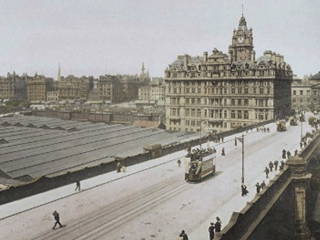
Photo 1:  The North Bridge in Edinburgh c. 1905.

.Background

It is one of Edinburgh’s most historically significant structures, a key transport link connecting the Old and New Towns and a vantage point to take in views of the capital’s iconic skyline – but for more than seven years now the North Bridge has been something of an eyesore, surrounded in scaffolding.

The North Bridge was originally constructed by Sir William Arrol between 1894 and 1897 after he completed both the Forth Bridge and Tower Bridge in London.

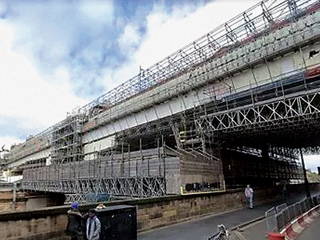
Since 2018 bridge has been concealed by over 300km of scaffolding tubes and partially closed to traffic and pedestrians after the Victorian structure was found to require significant corrosion-related repairs to ensure its continued use for future generations.

A repair project was initiated as a response to cast iron, spalled concrete and masonry falling onto the railway lines and the
street below.

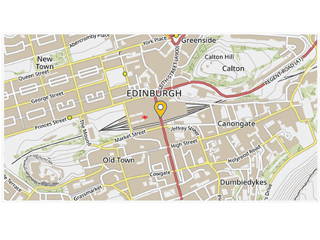
Map: Location of North Bridge by Edinburgh Waverley Railway Station.

Structural Investigations

The bridge has three spans, each approximately 53 metres, with each span comprising six steel main arch girders with a reinforced concrete deck, masonry piers and abutments, and a decorative cast iron façade.

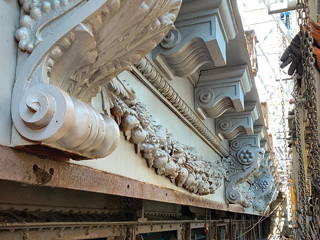
Photo 2: After Removal of Cast Iron Non-Structural Fascia.

Main contractor Balfour Beatty worked with Atkins Realis, who created a dynamic 3D model of the structure to assist all work scopes.

It became clear as the work progressed that more repairs and work were required. The paint on the bridge designed and constructed by Sir William Arrol, who created Forth Bridge and Tower Bridge, has been grit blasted and repainted – a job which has not been done since 1933, except for repainting of the decorative facings in the early 1990s.

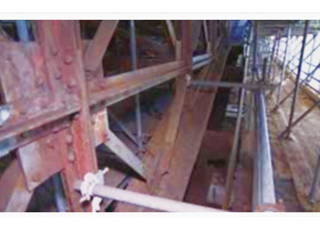
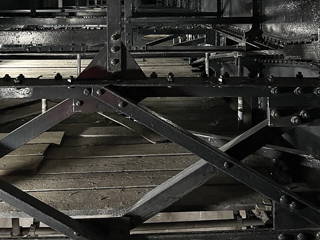
Photo 3: Steel Under-Structure with Areas of Localised Corrosion Requiring Repair.

Investigations identified lots of Bimetallic Corrosion, Corrosion Traps between components, Water ingress and general Inadequate corrosion protection.

The huge complexity of bringing a Victorian structure up to 21st Century standards, without compromising its historic integrity, has proven challenging, technically and logistically.

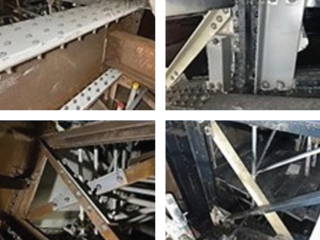
Photo 4: Examples of Steelwork Repairs.

Costs

The work was supposed to take around two years and cost an estimated £22m, but as engineers took a closer look, often at sections not properly inspected in over 100 years, it became clear the job would be even more of a mammoth task than was first envisaged.

It is now expected to be finally completed in 2026 – six years behind schedule – and with an expected cost of £86m, nearly four times the initial estimate, but now magnificently restored!

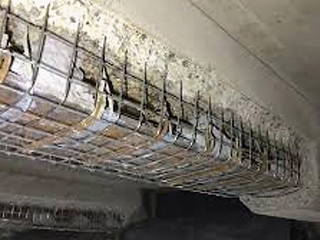
Photo 5: Localised Reinforced Concrete Inspection/Repairs Including CP Installation and Structural Health Monitoring System – Reinforced Concrete Supports.

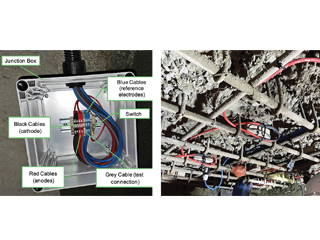
Photo 6: Cathodic Protection Junction Box and Site Connections.

Repairs Completed

There are 6,300 steel sections under the bridge, many of which were corroded, but now behind the extensive scaffolding have been repaired or replaced, approximately 2,000 components in total at a cost of £10m, due to complex logistics.

The wide scope of work has included:

•Contained wet blast/removal of existing coating – bituminous asbestos paint with arsenic, chromium and lead contaminants by licensed contractor. Asbestos was added to enhance durability, heat resistance, and fire resistance. The risks associated with asbestos exposure/removal are well-documented.

•Profile grit blasting and repainting of all structural steelwork, last renovated in 1933, 150 sqm to ST3 standard with 7-stage coating.

•Apply primer/stripe coat/mid coat/line gap/2nd stripe coat/topcoats and decorative colours/anti-graffiti finish.

•Repairing and refurbishing structural steelwork and cast-iron springer bearings.

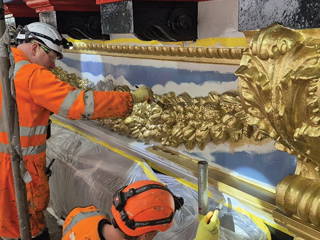
•Refurbishing historic cast iron bridge façades, including the redesign of façade fixings, allowing for sectional movement and easier future repairs.

• Grit blasting, repair, sealing and repainting of parapets.

•Repairing the bridge’s concrete deck and installing cathodic protection and structural health monitoring systems.

o 6,500 Galvashield XP2 Anodes – subcontractor (Freyssinet)

o 40,778 Continuity Wires and Checks

• Repair and improve pavements and drainage.

• New waterproof membrane on bridge deck.

• New lighting and road surface.

•Remove all redundant utility pipes and ducts and rationalise those services that remain.

•Repair and repoint masonry in areas most susceptible to deterioration.

•Restore and repair the King’s Own Scottish Borderers War Memorial.

•Installing permanent platforms to improve access for future inspection and minor maintenance.

Photo 7: Process of Façade Reassembly.

Photo 7: Process of Façade Reassembly.

Photo 8: Reinstated North Bridge Façade and Final Touches.

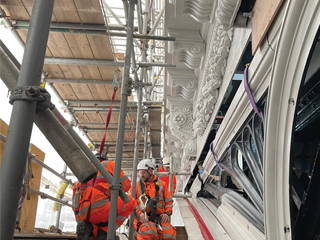
Very complex scaffolding was required. Traditional scaffolding that relies on ground support could not be used and due to the interface with Edinburgh’s key railway station (Waverley) and the low capacity of the roof, scaffolding had to be suspended from the bridge itself. This required multiple stages of design and checks.

Photo 9: Steel Under-Structure After Repair / Recoating.

Reopening Plans

Major work is expected to be completed by spring 2026 with full completion in summer 2026.

Summary

This was a reactive project due to ongoing safety concerns and dropped objects from the decaying bridge that was mostly inaccessible for regular inspection, despite being directly above a busy main railway station.

A range of corrosion mechanisms was identified and eliminated by different corrosion prevention techniques.

A key part of the renovation was providing permanent access for future inspection by bridge engineers.

The need for removal of original toxic coatings complicated the repair and recoating processes.

Novel solutions, including widespread use of galvanic anodes, were incorporated into the refurbishment of reinforced concrete components.

An advanced Structural Health Monitoring System has been now
been installed.

A critical piece of infrastructure has now been rescued for future generations to enjoy.

Sources

1. https://www.bbc.co.uk/news/uk-scotland

2. https://news.stv.tv/west-central/

3. https://theedinburghreporter.co.uk/

4. https://www.edinburghinquirer.co.uk/

5. https://www.edinburghlive.co.uk/

6. https://x.com/balfourbeatty/status/1918298520047571249

7. (21) Post | https://www.linkedin.com/posts/zaynah-khalil

8. https://www.edinburgh.gov.uk/

9.https://talesofonecity.wordpress.com/2025/02/04/the-north-bridge/

10. https://canmore.org.uk/

11. https://www.capitalcollections.org.uk/

12.Thesis Jan.2024 – A Critical Review of Cathodic Protection as a Repair Strategy for the Edinburgh North Bridge Refurbishment by Zaynah Khalil, MEng Student at University of Glasgow and Graduate Civil Engineer at Balfour Beatty.

13. Cathodic Protection – FreyssinetUK

14.https://www.vector-corrosion.com/technologies/view/3/galvashield-xp/

15.https://www.ice.org.uk/events/recorded-lectures/north-bridge-refurbishment

This complex project will be further presented at the forthcoming Aberdeen Branch 2025 Corrosion Awareness Day: An Introduction to Corrosion and Cathodic Protection at the Palm Court Hotel, Aberdeen on 26th August 2025.

See: https://www.icorr.org/event/2025-corrosion-awareness-day-introduction-to-corrosion/